Source FKM Rubber Sheet for O-Rings, Gaskets, and Seals
Compare 30 FKM rubber sheet options from verified Chinese suppliers. Buyers can evaluate material properties, thickness ranges, and customization services for automotive and industrial sealing applications. These sheets feature compression sets, temperature ratings, and corrosion resistance suitable for diverse industrial needs.
Key considerations
Products List






Comprehensive Sourcing Guide
FKM Rubber Sheet Sourcing Guide
Buyers must first distinguish between specialized fluorocarbon rubber sheets and general synthetic rubber slabs, as the supplied data reveals a mix of materials including Fluorocarbon Rubber, Synthetic Rubber, and Natural Rubber. While the core keyword targets FKM, the observed listings include products with Milly White or Black coloring and varying raw material compositions like Natural Rubber with Pad. This distinction is critical because FKM offers superior chemical resistance compared to natural rubber, and confusing the two can lead to premature failure in aggressive environments.
Procurement teams should verify the specific product model and origin before placing orders, as the data shows items originating from Sichuan, Hebei, and Qingdao with models like FD Series and JK-6386. The observed listings indicate a wide range of thicknesses from 0.5mm to 50mm and widths up to 3 meters, suggesting that a single supplier may offer diverse capabilities. Buyers need to confirm that the specific sheet they require matches the intended application, whether it is for automotive O-rings or industrial flooring, to ensure the material properties align with operational demands.
Product Scope and Observed Listing Signals
The market for rubber sheets presents a complex array of final products, ranging from precision components like O-rings and fuel hoses to bulk industrial flooring and gaskets. The observed data highlights that some listings specify usage for industrial rubber slabs and printing, while others focus on sealing applications with compression sets as low as 17. This variance indicates that buyers must carefully read the "Usage" and "Final Products" fields to ensure the sheet is suitable for their specific end-use, rather than assuming all rubber sheets are interchangeable.
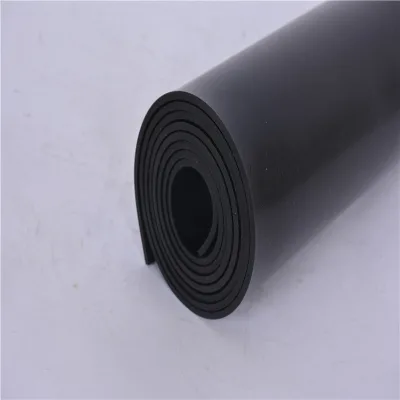
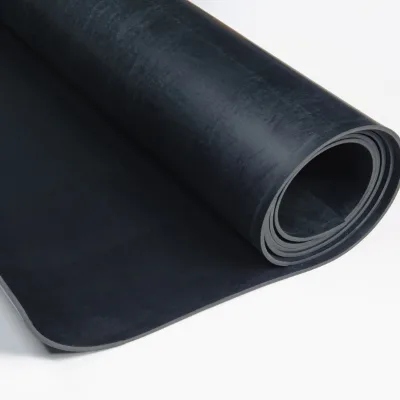
Color and surface finish serve as immediate visual indicators of the product type, with listings showing Milky White, Black, and Brown options alongside glossy or textured surfaces. The presence of fabric insertion options, such as 1-ply or 2-ply, suggests that structural reinforcement is available for high-stress applications, while other listings focus on simple slab forms. Buyers should cross-reference these visual attributes with their technical requirements, as a glossy surface might be ideal for printing applications, whereas a textured finish could be necessary for slip resistance in industrial flooring.
Technical Specifications to Verify
Thickness and width tolerances are primary verification points, as the data shows ranges from 2mm to 8mm for some models and 0.5mm to 50mm for others. Buyers must confirm that the supplier can meet the exact dimensional requirements of their design, noting that some listings offer widths as wide as 3 meters while others are limited to specific standard sizes. The variability in length, extending up to 50 meters in some cases, further necessitates a clear definition of the required sheet dimensions to avoid costly cutting waste or supply shortages.
Mechanical properties such as hardness, tensile strength, and elongation are critical for ensuring the sheet can withstand operational stresses. The observed hardness ranges from 55 to 75 Shore A, with tensile strengths between 6 and 9 MPa and elongation capabilities of 250% to 300%. Additionally, the work temperature range of -20°C to 250°C is a key specification for thermal applications. Buyers should request test reports to verify that the specific batch meets these mechanical benchmarks, as variations in raw materials like synthetic versus natural rubber can significantly impact these performance metrics.
Compliance and Safety Documentation
Chemical resistance is a paramount safety and performance factor, particularly for applications involving acids, alkalis, or fuels. The observed listings explicitly mention features like corrosion resistance and acid-alkaline resistance, which are essential for industrial environments. However, buyers must verify that the specific rubber compound, whether it is fluorocarbon or synthetic, is certified for the specific chemicals it will encounter, as general resistance claims do not guarantee compatibility with every substance.
Documentation regarding the manufacturing process and material composition is necessary to ensure regulatory compliance and traceability. The data indicates processing services like moulding and cutting, which may require specific safety certifications for the equipment and the final product. Buyers should request material safety data sheets (MSDS) and certificates of analysis to confirm that the rubber sheets do not contain prohibited substances and that the production process adheres to relevant environmental and safety standards for the intended industry.
Cost Drivers and Commercial Terms
Pricing in this market is highly variable, with observed ranges spanning from $0.12 to $1700, driven by material type, thickness, and order volume. The minimum order quantity (MOQ) also fluctuates significantly, ranging from 1 unit to 1000 units or 300 kg, which directly impacts the unit cost for smaller buyers. Understanding these commercial terms is essential for budgeting, as purchasing in bulk may reduce the per-unit price but requires higher upfront capital and storage capacity.
Lead times and delivery conditions are additional cost drivers that affect the total cost of ownership. The observed delivery times range from 2 weeks to 3 weeks, depending on the supplier's location in Sichuan, Hebei, or Qingdao. Buyers should factor in these lead times when planning production schedules, as delays can disrupt manufacturing workflows. Furthermore, packaging methods, such as PP bags, pallets, or PE film, influence shipping costs and the risk of damage during transit, which must be accounted for in the overall procurement strategy.
Supplier Qualification and Quality Control
Supplier location and origin play a significant role in quality consistency and logistics efficiency, with products originating from multiple Chinese provinces. Buyers should evaluate the supplier's ability to maintain consistent quality across different batches, especially given the mix of raw materials like natural rubber and synthetic rubber. Verifying the supplier's production capacity and their history of fulfilling orders for similar industries, such as automotive or general industrial applications, is crucial for establishing a reliable supply chain.
Quality control processes must be rigorously assessed to ensure that the rubber sheets meet the specified standards and performance criteria. The data mentions specific standards like 445305145mm and 0.22mx0.22mx1.2m, which may refer to packaging or product dimensions rather than material standards. Buyers should request evidence of in-process quality checks, such as Mooney viscosity tests and compression set measurements, to confirm that the supplier maintains strict control over the physical properties of the rubber sheets throughout the manufacturing process.
Long-Term Procurement Checks
Establishing a long-term partnership requires regular audits of the supplier's ability to maintain consistent product attributes over time. Buyers should monitor changes in material composition, such as shifts between fluorocarbon and synthetic rubber, which could alter the performance characteristics of the sheets. Continuous verification of key metrics like density, hardness, and tensile strength ensures that the supplier remains compliant with the original specifications and that the product quality does not degrade over successive orders.
Supply chain resilience is another critical factor for long-term procurement, particularly given the variability in lead times and MOQs observed in the market. Buyers should develop contingency plans to address potential disruptions, such as delays in delivery or changes in raw material availability. Regular communication with the supplier regarding production schedules and inventory levels helps mitigate risks and ensures a steady supply of high-quality rubber sheets for ongoing industrial and automotive applications.
FAQs
What materials are used for FKM rubber sheets?
FKM rubber sheets are primarily manufactured from fluorocarbon rubber, a type of synthetic rubber. Some industrial variants may also incorporate natural rubber pads or fabric inserts for enhanced structural integrity. These materials ensure the sheets meet rigorous industrial standards for durability and chemical resistance in demanding environments.
What thickness options are available for FKM rubber sheets?
FKM rubber sheets are available in a wide range of thicknesses to suit specific application needs. Standard options typically span from 0.5mm to 25mm, with some specialized products offering thicknesses between 2mm and 8mm. Custom thicknesses can often be arranged to meet precise engineering specifications for sealing or gasketing.
What is the typical hardness of FKM rubber sheets?
The hardness of FKM rubber sheets generally ranges from 55 to 75 Shore A, with some specific grades rated at 70+-5 Shore A. This moderate hardness provides a balance between flexibility and structural support, making the material suitable for compression sealing applications where consistent contact pressure is required for effective performance.
Can FKM rubber sheets be customized for specific industries?
Yes, FKM rubber sheets can be customized for various industries, including automotive and general industrial applications. Customization options include specific dimensions, colors such as black or milky white, and surface finishes like glossy or textured. OEM services are available to tailor the sheets to exact mechanical and chemical requirements for unique projects.
What are the key features of FKM rubber sheets?
FKM rubber sheets are known for being corrosion-resistant, wear-resistant, and heat-resistant. They also offer excellent cold resistance and electrical insulating properties. These features make them ideal for use as gaskets, seals, and industrial flooring, ensuring long-term reliability in environments exposed to harsh chemicals, extreme temperatures, or heavy mechanical stress.
What is the delivery time for FKM rubber sheets?
The standard delivery time for FKM rubber sheets is typically around 2 weeks, though some suppliers may require 2-3 weeks depending on order volume and customization needs. This lead time allows for proper processing, including molding and cutting, ensuring that the final products meet the specified quality standards before shipment to the buyer.